A Step-by-Step Guide to Getting an Implant Crown
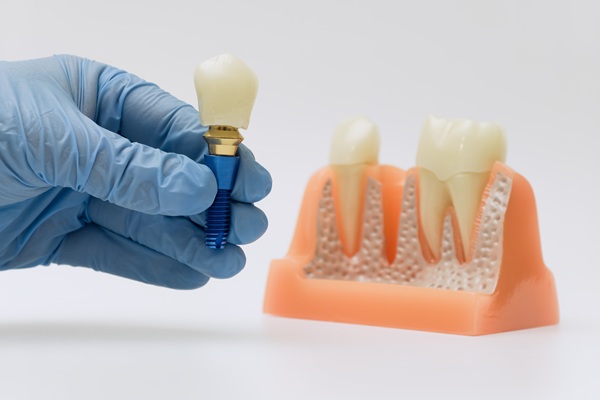
An implant crown can help replace a missing tooth and restore confidence in your smile. When a dentist recommends an implant crown, the goal includes long-term stability, natural appearance, and comfortable function. Understanding each stage of the implant crown process helps patients feel more relaxed and prepared, from the first consultation through final placement.
A guide to getting implant crowns
As its name suggests, an implant crown caps a dental implant, a metal post inserted into the jawbone. In other words, this dental crown replaces the visible part of a missing tooth, while the implant post replaces the missing tooth root. Together, they can completely fill the gap left by a missing tooth, resulting in a fuller smile. Dive into the step-by-step process of getting an implant crown below.
Step 1: Consultation and planning
The first step toward an implant crown centers on a detailed consultation rather than immediate treatment. At this visit, the dentist considers oral health, jawbone condition, and general health. They will also look at the location of the missing tooth. All of this information helps determine whether the patient is a good candidate for implant crowns.
Beyond candidacy, the planning stage also involves a clear conversation about goals and options. The dentist explains how an implant crown compares with other choices, such as traditional bridges or removable partial dentures. They will also review expected timelines, fees, and any preliminary procedures, such as tooth extractions or bone grafting. When these details are discussed early, both the dentist and the patient share the same roadmap, which allows the entire implant process to move forward smoothly.
Step 2: Implant placement and healing
The dental implant itself is usually placed before the implant crown enters the picture. During this visit, a dentist places the titanium post into the jawbone under local anesthesia, and sometimes with additional comfort measures. After the procedure, the bone gradually bonds to the implant surface, creating a strong foundation for the future implant crown.
Healing time can vary, but most patients follow a soft-food diet for a short period and return to normal routines within a few days. The dentist schedules follow-up visits to monitor progress and confirm that the implant remains stable. Once the bone and soft tissue around the implant appear healthy and solid, the dentist can proceed with making and placing the implant crown.
Step 3: Impressions and custom design
When the implant site heals, the dentist uncovers the implant and attaches a small connector piece called an abutment, or uses a healing abutment that is already in place. The next step is to capture the shape and position of the implant so the dental lab can fabricate the custom implant crown. This information may come from digital scans, traditional impressions, or a combination of both, taken by the dentist. The dentist also selects a shade for the implant crown that blends with the surrounding teeth.
Step 4: Placing the implant crown
Once the implant crown returns from the lab, the dentist schedules the placement visit. During this appointment, the dentist carefully checks how well the crown fits and blends with the rest of the bite. At this point, it is easy to make minor adjustments to the contour or contact points so that the crown does not feel rough or high when biting down.
The dentist then secures the implant crown using either a small screw through an access channel or dental cement, depending on the chosen design. The access opening on a screw-retained crown receives a filling material that matches the tooth shade. Before the patient leaves, the dentist reviews how the bite should feel and goes over basic implant care.
How to take care of an implant crown
Daily care for an implant crown is similar to that for natural teeth. The dentist typically recommend brushing twice a day with a soft brush and non-abrasive toothpaste to keep the gums around each implant crown clean. In addition, take care to floss to clear out plaque from any nooks and crannies between the crowns and teeth.
Next, make sure to visit a dentist for regular dental cleanings. The minimum schedule is every six months. The aim is not only to keep the smile clean but also to monitor jawbone tissue levels and detect any problems with the implant early. This helps prevent complete implant failure and the need for a replacement.
Explore the benefits of implant crowns for your smile
A step-by-step understanding of the implant crown process makes a complex treatment manageable. With each step, our dental team strives to work with you to build a strong, comfortable, and beautiful smile. Discover how implant crowns can benefit you during an appointment with our Gainesville team.
Request an appointment here: https://gallodental.com or call GDC Smiles at (770) 504-5725 for an appointment in our Gainesville office.
Check out what others are saying about our dental services on Yelp: Implant Crown in Gainesville, GA.
Recent Posts
Not every patient requires a bone graft procedure before tooth replacement from an implant dentist, but it may be necessary for certain situations. This review discusses the role of bone grafting in the Implant dentistry process and what to expect before, during, and after a bone graft procedure.A bone grafting procedure is needed when there…
Dental patients who are planning a visit to an implant dentist may be unfamiliar with the details regarding implants. It is crucial to learn as much information as possible before scheduling an appointment for this surgical procedure.A dental implant is a common permanent tooth replacement option that can be highly beneficial to a patient’s health…
Considering implants? Read on to learn more about implant dentistry procedures from an implant dentist. Implant dentistry involves the placement of dental implants into the jaw, followed by the attachment of abutments and a dental prosthesis (e.g., crown, bridge, or denture). This article highlights the role the jawbone plays in the dental implant process and…
Considering an implant dentistry procedure? Read on to learn more about this type of restoration. With implant dentistry, replacing missing teeth has never been easier, and these restorations are generally indistinguishable from natural teeth. Dentists are often asked about how implant dentistry works. Due to the innovative structure of dental implant restorations, they are far…