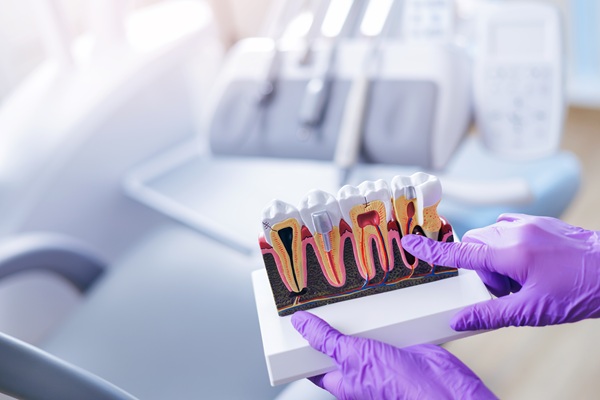
Endodontics can protect a natural tooth when the inner pulp becomes inflamed or infected, and root canal therapy, in particular, often prevents pain and further damage. Decay, cracks, or trauma can let bacteria reach the pulp and trigger pressure inside the tooth. A dental exam helps determine whether endodontic treatment can save the tooth and prevent the infection from spreading to the jawbone. Below are five signs that your condition warrants endodontics.
1. Persistent toothache that does not settle
A toothache that lasts for hours, recurs daily, or intensifies at night often indicates a deeper problem than surface sensitivity. The discomfort may throb, feel sharp, or radiate into the jaw or ear, making the source hard to identify. Endodontics becomes a key consideration when pain continues despite careful home care and basic pain relief.
2. Sensitivity to heat that lingers
Short, mild sensitivity can occur with many dental issues, but heat sensitivity that lingers after the stimulus ends can signal pulp irritation. Hot coffee, tea, or soup may trigger a deep ache that takes minutes to fade. When this pattern appears, endodontics can remove diseased or decayed tissue and reduce the pressure that drives lingering pain.
3. Pain when biting or chewing
A tooth that hurts during chewing can indicate inflammation around the root tip, a crack, or infection within the tooth. The pain may spike with a single bite or feel like a bruise when applying pressure to a single cusp. A dentist can test the tooth and determine whether endodontics offers the most predictable way to keep the tooth in place.
4. Swelling, a gum "pimple," or a bad taste
Swelling near a tooth or a small, pimple-like bump on the gum can signal an abscess that intermittently drains. Some people notice a salty or unpleasant taste and tenderness when the area flares. Endodontics can address the source by cleaning and sealing the canals so bacteria no longer feed the infection.
5. Tooth darkening after deep decay or injury
A tooth that turns gray or noticeably darker than neighboring teeth may reflect reduced blood flow in the pulp after trauma or deep decay. Discoloration can develop slowly, so it can seem like staining rather than a health concern. If testing shows the pulp does not respond normally, endodontics, if performed early enough, can treat the inside of the tooth and help prevent future infection.
Why these signs point to pulp trouble
Tooth nerves sit inside a hard shell, so swelling has nowhere to go when inflammation builds. As pressure rises, pain can escalate quickly, and bacteria can travel toward the root tip. Some symptoms come and go, but the underlying problem often continues to progress without treatment. That is why early diagnosis is so valuable in endodontic cases.
How root canal therapy helps preserve the tooth
Root canal therapy removes irritated or infected pulp, disinfects the canal space, and seals the tooth to block bacteria from returning. This approach can relieve pain while preserving natural chewing function, which supports overall bite balance. Keeping the natural tooth also helps maintain spacing and reduces the need for more complex replacement options. After treatment, a proper restoration helps the tooth handle normal forces and protects it from future fracture.
What to do when these signs appear
Prompt evaluation helps limit complications and improves the chance of saving the tooth. Before the visit, these steps can reduce irritation and support a clear diagnosis:
- Avoid chewing on the painful side and choose softer foods.
- Keep the area clean with gentle brushing and flossing.
- Track triggers such as heat, biting pressure, or swelling.
During the appointment, testing and imaging help identify the problem tooth and rule out other causes. The exam may include gentle tapping and temperature testing to evaluate nerve response. Aforementioned, if endodontic treatment is appropriate for the diagnosis, the care removes infected tissue, disinfects the canals, and restores the tooth so it can function comfortably again. When treatment begins early, endodontics often prevents the spread of infection, reduces the risk of emergency swelling, and protects nearby teeth and bone.
Schedule a consultation
The safest way to confirm the need for endodontic treatment involves a dental exam rather than guesswork. Delaying care can allow infection to spread and increase the risk of swelling and severe pain. For more information or to schedule an appointment, call our Gainesville office.
To schedule a consultation, please request an appointment on our website at https://gallodental.com or call GDC Smiles at (770) 504-5725 to arrange an appointment at our Gainesville office.
Check out what others are saying about our dental services on Yelp: Root Canal in Gainesville, GA.
Recent Posts
A preventive dentist is a trusted partner in maintaining your oral health and preventing serious dental issues before they occur. This dental professional emphasizes regular care and education, supporting long-term wellness and reducing the need for extensive procedures. As the cornerstone of modern dental care, preventive dentistry underscores early detection, regular visits, and informed patients.A…
When it comes to preventive dental care, the approach is two-fold. First, it involves going to the dentist for regular checkups and performing any recommended follow-up treatment. Second, good oral health habits are crucial for keeping the body in good working order. For people living with chronic conditions such as diabetes and osteoporosis, keeping up…
Patients who are dealing with severe dental issues may think they should go to the ER for emergency dental care. This, however, is often ill-advised, as it may not be helpful in providing the proper treatments needed and can result in other problems arising.The following are a couple of reasons why patients should not go…
Acting quickly by consulting an emergency dentist when facing the signs of dental implant rejection helps to protect the jawbone and surrounding teeth. While implants offer a permanent, high-success solution for missing teeth, the body occasionally struggles to integrate the titanium post with the natural bone. This complication requires immediate attention to halt the spread…